Politics
Measure Designed to Tighten Ethics Rules to Stop Mayor’s Office From Obstructing Probes Advances
Chicago’s ethics ordinance would be amended to stop the city’s top lawyer from intervening in ongoing probes that risk “embarrassment or political consequences” for city leaders, under a measure that cleared a key city panel Monday.
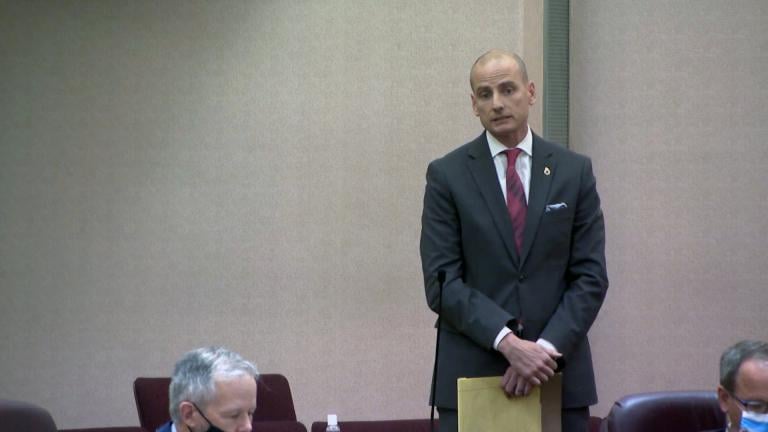
The measure unanimously endorsed by the Ethics and Government Oversight Committee had the support of both Inspector General Deborah Witzburg and Corporation Counsel Mary Richardson-Lowry after negotiations stretched into the weekend.
Chicago’s Law Department and the Office of the Inspector General had been at odds for months over the proposed amendment to the Governmental Ethics Ordinance authored by Ald. Matt Martin (47th Ward), the chair of the Ethics and Government Oversight Committee.
Richardson-Lowry called the first version of the proposed changes “legally deficient.”
“When things go wrong with city government, Chicagoans deserve timely, thorough and transparent investigations that hold people accountable when necessary, and to make this happen, we need each and every city department to cooperate and coordinate fully with our investigations,” Martin said. “That includes providing all relevant information to the department and refraining from interfering with investigators and interviewees.”
The amendment now set for a final vote on Wednesday by the full City Council was born out of a 17-page letter Witzburg sent to Martin in February that blasted the Law Department and Richardson-Lowry for slowing Witzburg’s office’s work to root out waste, fraud and abuse at City Hall.
“The throughline of these concerns is the appearance – and at times the reality – that the DOL (Department of Law) selectively acts in opposition to the OIG’s (Office of the Inspector General) investigative work when OIG’s work may result in embarrassment or political consequences for city leaders,” Witzburg wrote.
Witzburg’s blistering letter, which condemned conduct under both former Mayor Lori Lightfoot and Mayor Brandon Johnson, comes after she released an audit that detailed repeated efforts by the mayor’s staff to hinder her probe into the mayor’s acceptance of gifts on behalf of the city.
The compromise measure would allow attorneys from the Law Department to participate in investigatory interviews if the person being interviewed requests it, Martin said. In addition, the measure requires the Law Department to turn over “all relevant materials, including those that may be privileged and confidential,” Martin said, with some exceptions.
The Law Department agreed to provide the inspector general with a log of withheld materials to allow Witzburg to lodge an objection, according to the measure.
Witzburg said the compromise measure “accomplishes the most pressing of the red-letter goals” and “better enables the office of the inspector general to protect the integrity and the effectiveness of our investigative interviews, and that it permits us broader access to city records so that we can effectively do our job in the service of our mission.”
“I think it puts us in a place that is a significant and substantive improvement from where we have been,” Witzburg said.
However, the measure makes no changes to the inspector general’s ability to issue subpoenas without the approval of the Law Department, as Witzburg requested.
John Hendricks, the managing deputy corporation counsel, said the revised measure was a “radical departure” from the original version of the ordinance, which he said would have suspended city’s lawyers ability to keep what their clients tell them confidential and prevented them from representing city employees.
Contact Heather Cherone: @HeatherCherone | (773) 569-1863 | [email protected]
Related Stories